

By Correspondent, Kigoma
Economic empowerment projects have been launched in four villages surrounding the Makere South Forest Reserve (Kagera Nkanda) in Kasulu District Council, Kigoma Region, to enable local communities to earn livelihoods outside the protected forest and reduce conflicts with authorities responsible for managing the forest reserve and the adjacent hunting block.
The Project Coordinator at the non-governmental organization Tanzania Wote Equality Alliance (TAWEA), Batro Ngilangwa, made the remarks during a two-day conservation stakeholders’ meeting held to review the implementation of the participatory conservation programme.
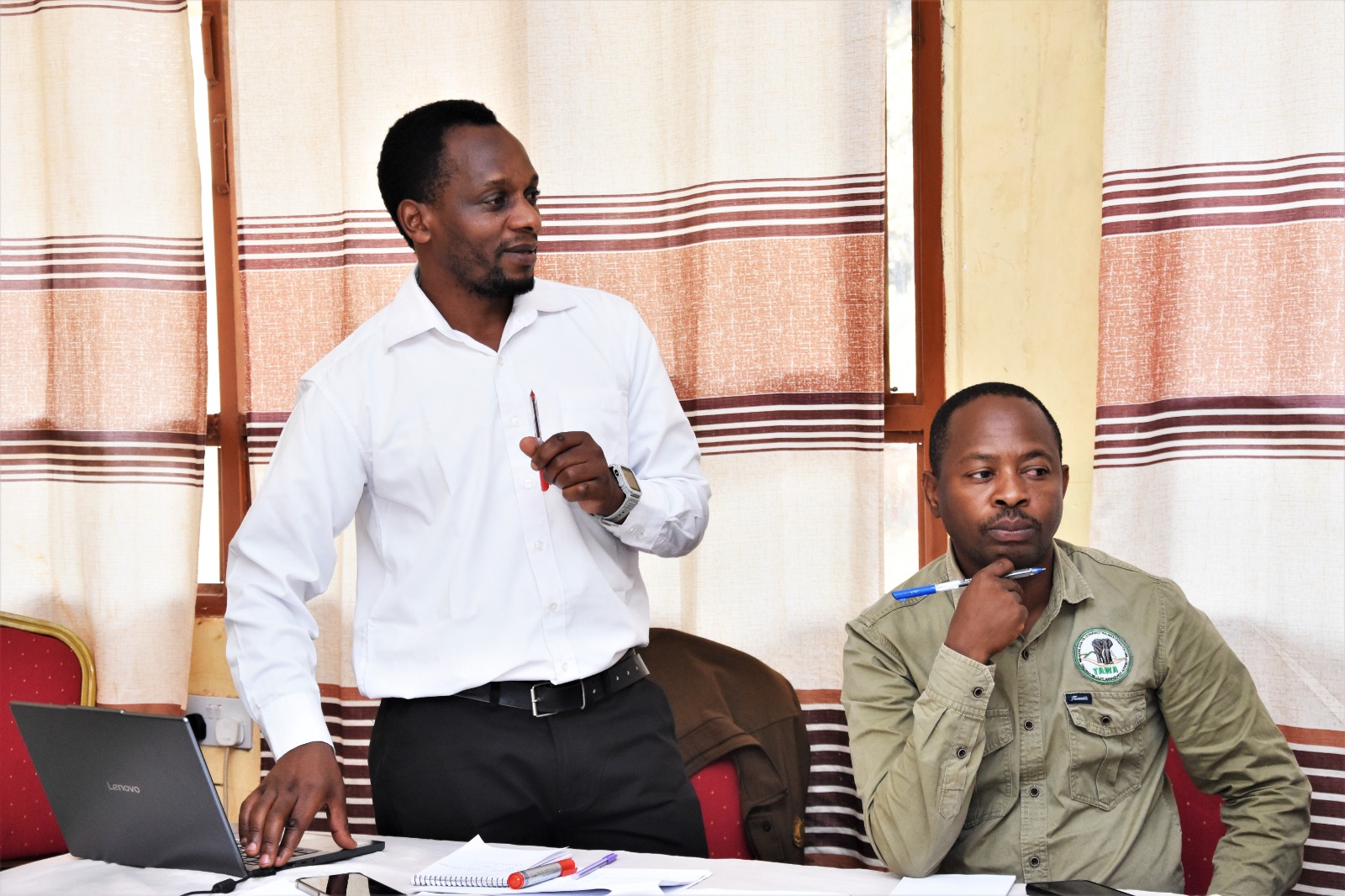
The initiative aims to strengthen cooperation between local communities and conservation authorities while promoting sustainable livelihoods alongside environmental protection.
Speaking at the meeting, Ngilangwa said that within one year of the project’s implementation, several income-generating activities have already been established for local residents. These project include fish farming in ponds, beekeeping and honey production, mixed farming, and the formation of village savings and loan groups.

He explained that the project, valued at more than TZS 200 million, was developed following a study conducted by TAWEA. The research found that about 95 percent of residents in the villages of Mvinza, Chekenya, Kagera Nkanda, and Kabulanzwili in Kasulu District depend on economic activities carried out inside the forest reserve for their livelihoods. This dependence has contributed to persistent conflicts of interest between local communities and conservation authorities.
Also addressing the meeting, the Manager of the Buhigwe/Makere Forest Plantation, Patrick Emilian, said the project is expected to improve relations between conservation authorities and surrounding communities. He noted that the initiative would encourage joint efforts in forest conservation, support community economic activities, and build a shared future based on mutual understanding while ensuring that conservation laws are implemented with the cooperation of all stakeholders.
Meanwhile, the Executive Officer of Kagera Nkanda Ward, Banyikwa Makinga, said relations between conservation agencies—including the Tanzania Forest Services Agency (TFS), the Tanzania Wildlife Management Authority (TAWA), and local communities had previously been strained. He explained that conservation officers often entered villages to arrest suspects and conduct operations without informing village leaders, leading to resistance from communities and local authorities. He said the new initiative has helped foster better communication and cooperation between the two sides.
About The Author