By. Fadhili Abdallah | Kigoma, Tanzania
More than 34,000 residents in Kasulu District, Kigoma Region, have benefited from a wide range of community development projects implemented by World Vision Tanzania over the past 16 years, significantly improving education, livelihoods, health, sanitation, and child welfare.
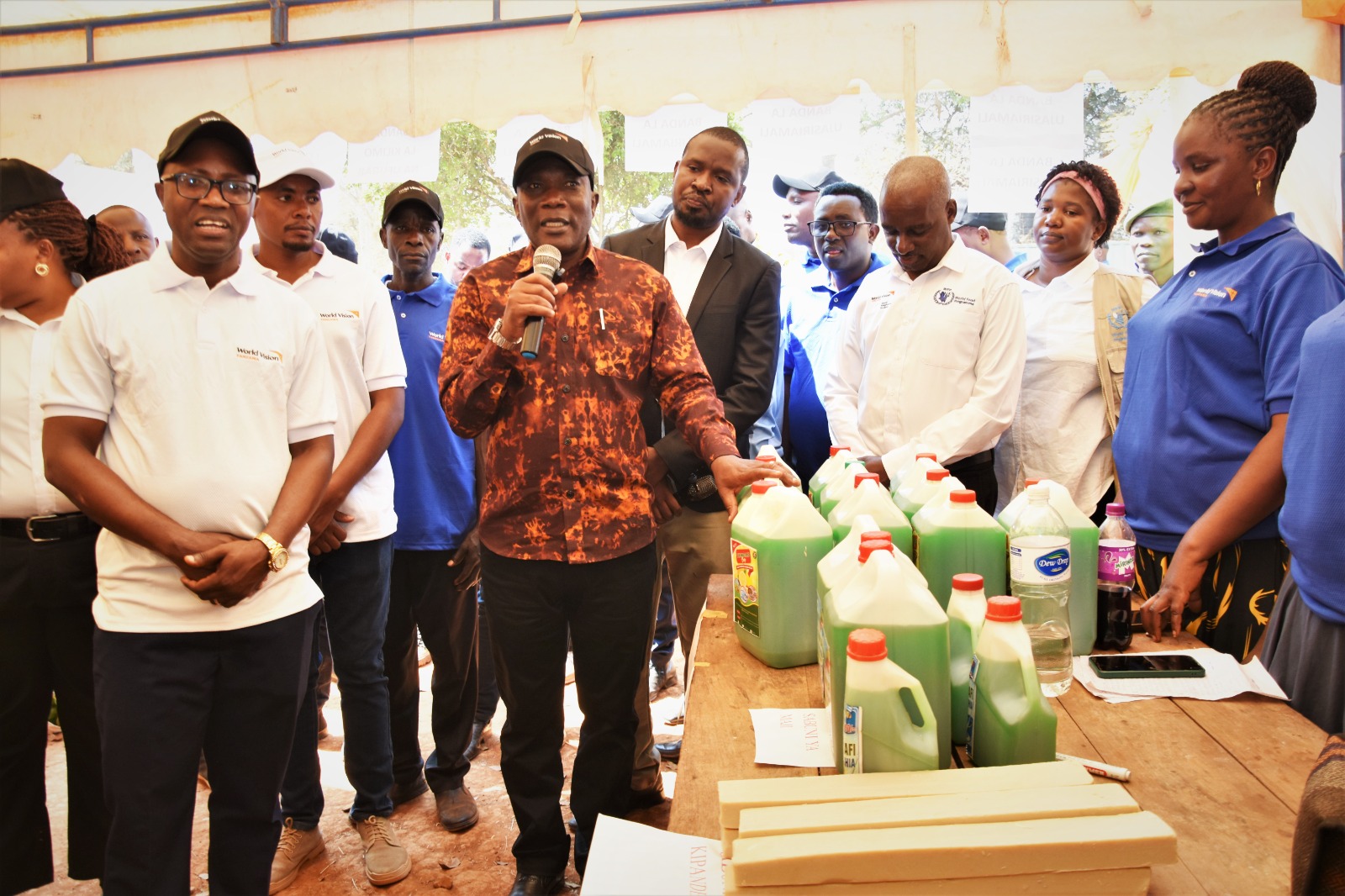
The BUHOMA Area Programme, funded by World Vision USA, reached 34,139 people across 10 villages in four wards of Makere Division before officially concluding this week.
Speaking during the project’s official closure ceremony, BUHOMA Project Coordinator Esther Mshendwa said the long-term investment had transformed the lives of thousands of families through sustainable community-driven interventions.
“The programme has left a lasting legacy in education, economic empowerment, and social development, while strengthening the capacity of local communities to continue the progress independently,” she said.
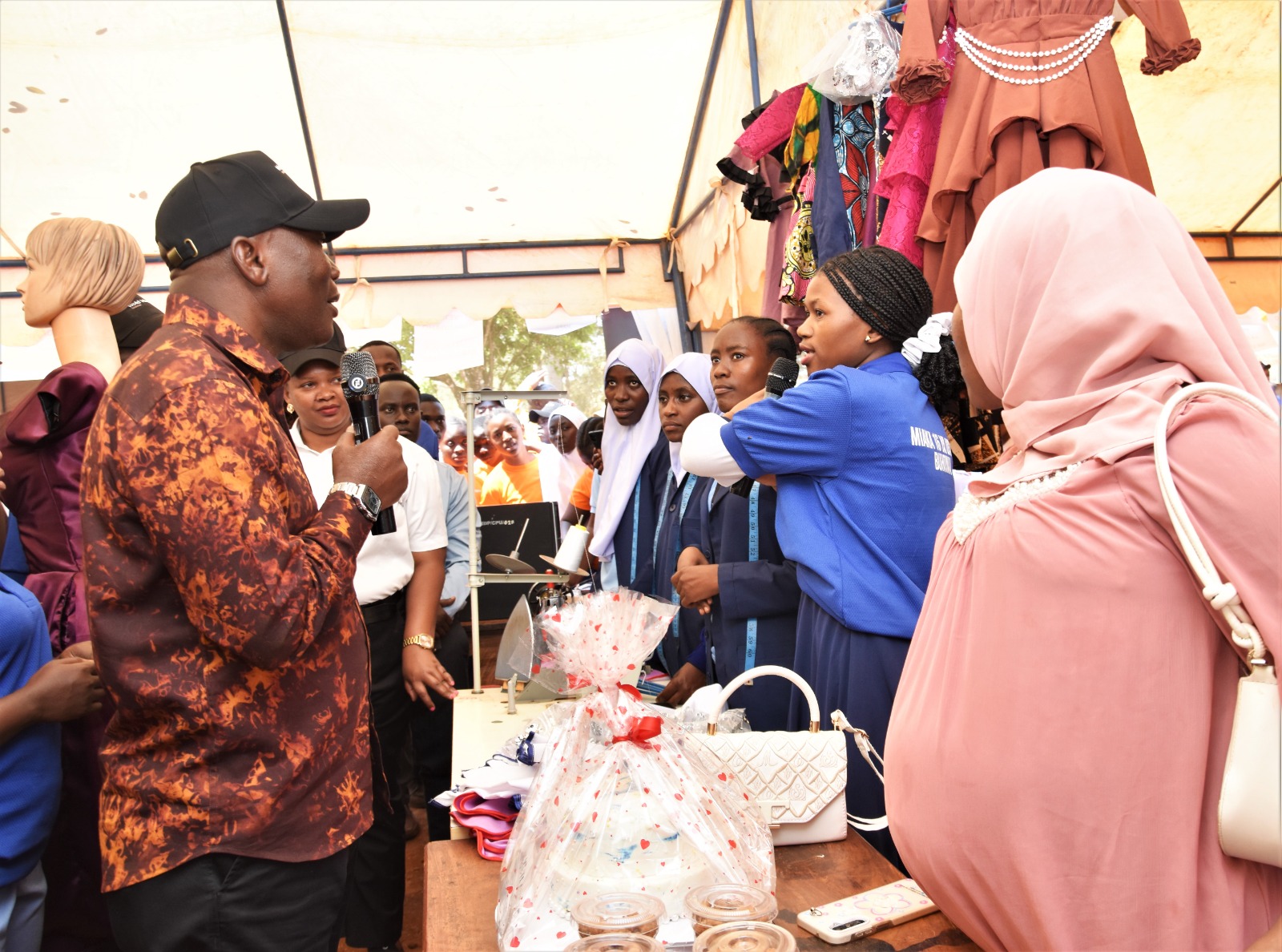
According to Mshendwa, World Vision supplied 1,700 desks to primary schools, distributed 9,783 textbooks, and supported 7,777 pupils in developing a culture of studying at home, contributing to improved performance in the Primary School Leaving Examination (PSLE).
The programme also established 139 Village Savings and Loan Associations (VSLAs) to promote financial inclusion and household savings. In addition, it constructed buildings for a vocational training Centre currently operated by VETA Kasulu, built 197 houses for vulnerable families, and enabled 17,142 primary school pupils to access improved water, sanitation and hygiene (WASH) services.
Representing World Vision Tanzania National Director James Anditi, the organization’s Finance Director Stephen Nyagonde said the programme focused on six strategic sectors: education; health and nutrition; water, sanitation and hygiene (WASH); agriculture and livestock development; economic empowerment; and child protection.
He attributed the programme’s achievements to strong collaboration between World Vision Tanzania, the Government of Tanzania, local authorities, development partners, and community members.
“The success of BUHOMA demonstrates that sustainable development is achieved when communities actively participate and development partners work closely with government institutions,” Nyagonde said.
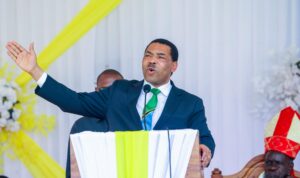
Officially closing the programme, Kigoma Regional Commissioner Ambassador Simon Sirro called on development organizations to ensure that community projects produce measurable and sustainable impacts, particularly by improving household incomes and reducing poverty.
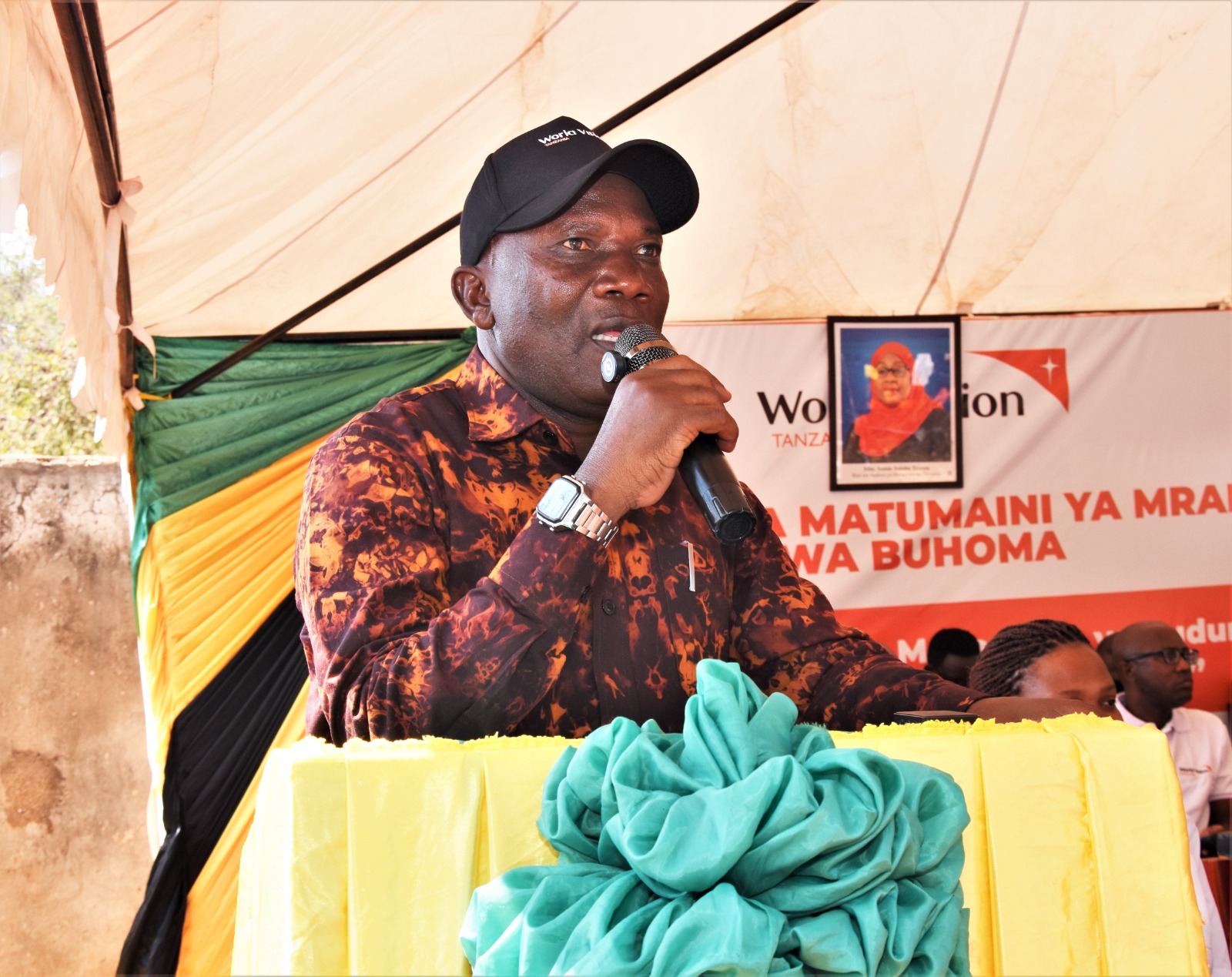
In remarks delivered on his behalf delivered by Kasulu District Commissioner Colonel Isack Mwakisu, Sirro praised World Vision Tanzania for implementing interventions that have strengthened entrepreneurship, improved livelihoods, and enhanced access to quality social services.
He urged local leaders and community members to safeguard the achievements made through the programme and continue building on the foundations laid during its 16 years of implementation.
About Kasulu District
Kasulu District Council is located in western Tanzania’s Kigoma Region and is one of the country’s important agricultural districts. The area borders Burundi to the west and hosts communities living alongside refugee populations from neighboring countries. Agriculture remains the main economic activity, with farmers producing crops such as maize, beans, cassava, bananas, coffee, and palm oil.
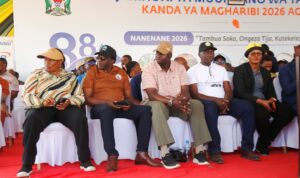
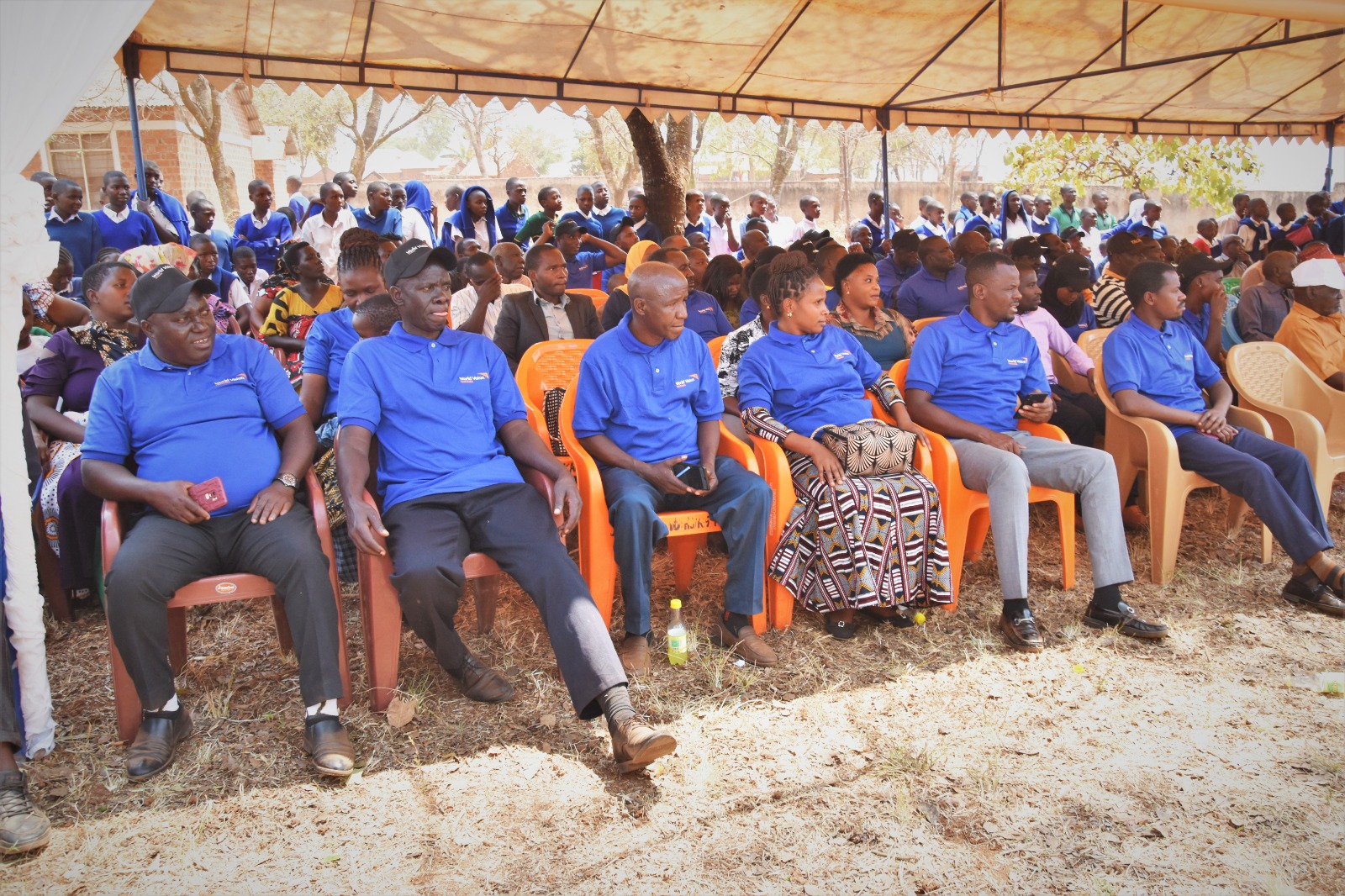 Few of the BUHOMA project beneficiaries in Makere Division, Kasulu District
Despite its agricultural potential, many rural communities continue to face challenges related to access to quality education, healthcare, clean water, sanitation, and economic opportunities. For many years, development partners such as World Vision Tanzania have worked alongside government institutions and local communities to address these challenges through integrated community development programmes that strengthen resilience, improve livelihoods, and promote sustainable development.
This article was prepared for the Rural Journalists Association of Tanzania (RUJAT) to document community development initiatives and promote evidence-based reporting on rural transformation in Tanzania.
Edited by: Prosper Kwigize
About The Author